Time and attendance management software is a digital tool that tracks and manages employee work hours. It automates the process of recording when employees start and finish work, along with any breaks taken during the day. This software is essential for ensuring accurate payroll processing, employee productivity, and compliance with labor regulations.
Table of Contents
- Importance in Modern Workplaces
- Overview of Key Features
- Fingertec Facial Recognition Time Clock
- CS Time Clock Proximity Model
- Understanding the Basics
- Benefits of Time and Attendance Software
- Key Features to Look For
- Popular Time and Attendance Software Solutions
- Implementing Time and Attendance Software
- Common Challenges and How to Overcome Them
- Practical Tips for Choosing the Right Software
- FAQs
- 1. What is time and attendance management software?
- 2. How do time and attendance software work?
- 3. What are the benefits of using time and attendance software?
- 4. Can time and attendance software integrate with payroll systems?
- 5. Is time and attendance software suitable for remote employees?
- 6. What features should I look for in time and attendance software?
- 7. How does biometric time tracking work in attendance software?
- 8. What challenges might I face when implementing time and attendance software?
- 9. Is time and attendance software scalable for growing businesses?
- 10. How does time and attendance software help with compliance?
- 11. What is the cost of time and attendance management software?
- 12. Can I customize time and attendance software to fit my business needs?
- Conclusion
Importance in Modern Workplaces
In today’s fast-paced work environment, manual time-tracking methods like punch cards or spreadsheets are becoming obsolete. Time and attendance software offer a more efficient, accurate, and scalable solution. This software helps reduce administrative workload, prevent time theft, and improve workplace efficiency, whether for a small business or a large enterprise.
Overview of Key Features
The best time and attendance systems come with a variety of features, including automated time tracking, scheduling tools, payroll integration, and detailed reporting. These features help businesses manage their workforce more effectively, reduce costs, and ensure compliance with local labor laws.
Fingertec Facial Recognition Time Clock
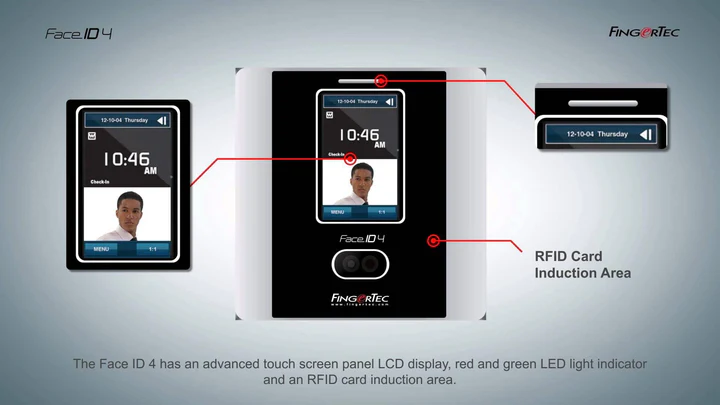
Elevate your workforce management with the Fingertec Facial Recognition Time Clock, designed to offer unmatched precision and convenience in attendance tracking. This cutting-edge device utilizes advanced facial recognition technology, ensuring fast, accurate, and secure employee identification. Instantly identify employees using advanced facial recognition, minimizing errors and providing secure access. Promote hygiene and reduce contact with a fully touchless attendance system, perfect for modern workplaces. Experience rapid identification with high-speed verification algorithms, enhancing productivity and reducing queue times.
CS Time Clock Proximity Model
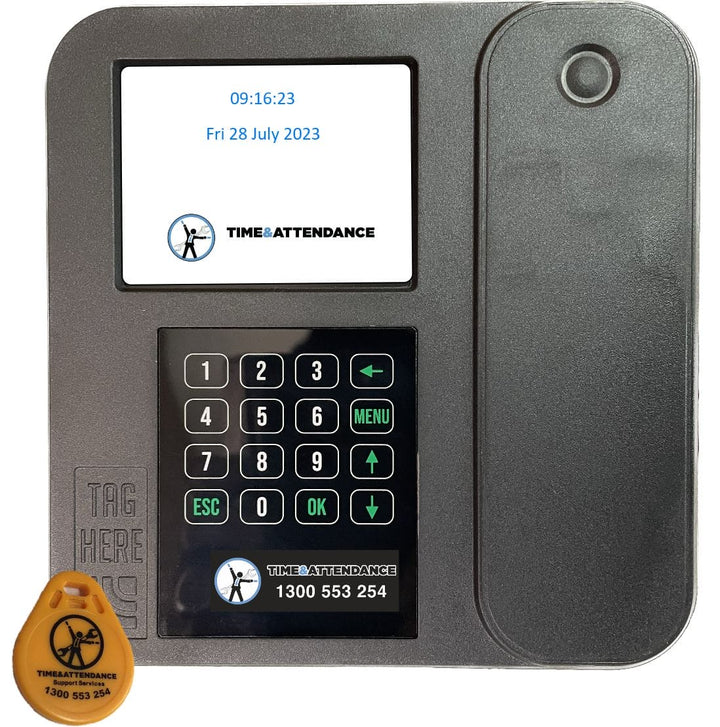
The CS Time Clock Proximity Model is a dependable solution for businesses seeking efficient and secure time management. Designed with modern workplaces in mind, this device uses proximity card technology to streamline the clock-in and clock-out process, ensuring accurate and effortless attendance tracking. Quickly and securely identify employees with proximity card scanning, reducing errors and preventing unauthorized access. This time clock is built to withstand daily use in busy environments and offers long-lasting performance. Easy to set up and operate, the CS Time Clock Proximity Model ensures a smooth transition to automated attendance tracking.
Understanding the Basics
Types of Time and Attendance Systems
There are several types of time and attendance systems available, including biometric systems (fingerprint or facial recognition), RFID card systems, and web-based platforms. Each type offers different levels of security, accuracy, and convenience, making it important for businesses to choose the right system based on their specific needs.
How the Software Works
Time and attendance software typically allows employees to clock in and out through various methods such as a physical time clock, a web-based platform, or a mobile app. The data is then stored in a central database where it can be accessed and analyzed by HR or management for payroll processing, attendance tracking, and performance evaluation.
Common Integrations with Other Systems
Most time and attendance software can integrate with other business systems, such as payroll software, HR management systems, and enterprise resource planning (ERP) platforms. These integrations streamline processes, reduce data entry errors, and provide a more comprehensive view of employee management.
Benefits of Time and Attendance Software
Improved Accuracy and Accountability
Automating time tracking reduces the risk of human error and ensures that employees are accurately compensated for their work. This not only enhances fairness and transparency but also helps prevent time theft and buddy punching.
Cost Savings and ROI
Investing in time and attendance software can lead to significant cost savings by reducing administrative overhead, eliminating payroll errors, and optimizing labor costs. Many businesses see a return on investment within the first year of implementation.
Enhanced Employee Productivity
By automating time tracking and scheduling, employees can focus more on their core responsibilities rather than on administrative tasks. Additionally, clear visibility into work hours and schedules helps improve accountability and productivity.
Compliance with Labor Laws
Time and attendance software helps businesses stay compliant with local, state, and federal labor laws by accurately tracking employee hours, overtime, and break times. This reduces the risk of legal disputes and potential fines.
Key Features to Look For
Time Tracking and Recording
The primary function of any time and attendance software is to accurately track and record employee work hours. Look for systems that offer multiple clock-in methods, including biometric, RFID, and mobile app options.
Scheduling and Shift Management
Effective scheduling tools allow managers to create, modify, and distribute work schedules easily. The software should also be able to handle shift swaps, track attendance, and notify employees of schedule changes in real time.
Payroll Integration
Integration with payroll systems is crucial for streamlining the payroll process. This feature reduces manual data entry, minimizes errors, and ensures that employees are paid accurately and on time.
Reporting and Analytics
Comprehensive reporting and analytics tools help managers gain insights into employee attendance patterns, labor costs, and productivity. These reports can be used to make data-driven decisions that improve operational efficiency.
Mobile Accessibility
With the rise of remote work, mobile accessibility has become a key feature. Employees should be able to clock in and out, view their schedules, and request time off from their mobile devices.
Popular Time and Attendance Software Solutions
Overview of Leading Solutions
Some of the leading time and attendance software solutions include Kronos, ADP Workforce Now, and TSheets by QuickBooks. These platforms offer a range of features tailored to different business sizes and industries.
Comparison of Features
When comparing time and attendance software, consider the specific needs of your business. For example, while Kronos offers robust workforce management tools suitable for large enterprises, TSheets is more suited for small to medium-sized businesses with its easy-to-use interface and mobile accessibility.
Pricing Models
Pricing for time and attendance software varies widely depending on the features offered and the number of users. Some platforms charge a flat monthly fee, while others have a per-user pricing model. It’s important to evaluate the total cost of ownership, including any setup fees and ongoing support costs.
Implementing Time and Attendance Software
Steps for Successful Implementation
Implementing time and attendance software involves several key steps, including selecting the right system, configuring it to meet your business needs, and testing it thoroughly before going live. It’s also important to involve key stakeholders in the process to ensure a smooth transition.
Employee Training and Adoption
Employee training is crucial for the successful adoption of time and attendance software. Provide comprehensive training sessions, user guides, and ongoing support to help employees become comfortable with the new system.
Common Challenges and How to Overcome Them
Common challenges during implementation include resistance to change, technical issues, and data migration problems. Overcoming these challenges requires clear communication, adequate training, and the support of a reliable vendor.
Future Trends in Time and Attendance Management
AI and Machine Learning Applications
The future of time and attendance management lies in AI and machine learning. These technologies can predict attendance trends, optimize schedules, and even detect anomalies
in employee behavior that might indicate time theft or other issues. AI-driven insights can help managers make more informed decisions and further automate routine tasks.
Biometric Time Tracking
Biometric technology, such as fingerprint and facial recognition, is becoming increasingly popular for time and attendance management. These systems offer a higher level of security and accuracy compared to traditional methods, reducing the risk of time fraud and ensuring that only authorized personnel can clock in and out.
Cloud-Based Solutions and Remote Work
As remote work continues to grow, cloud-based time and attendance solutions are becoming the norm. These systems allow employees to clock in from anywhere, providing flexibility for businesses with remote or hybrid workforces. Cloud solutions also offer the advantage of real-time data access, easier updates, and lower upfront costs compared to on-premise systems.
Practical Tips for Choosing the Right Software
Assessing Your Business Needs
Before selecting time and attendance software, it’s essential to assess your business’s specific needs. Consider factors such as the size of your workforce, the complexity of your scheduling requirements, and your existing technology infrastructure. Understanding your needs will help you choose a solution that fits your organization perfectly.
Evaluating Vendor Support and Reliability
Vendor support is a critical factor in the successful implementation and ongoing use of time and attendance software. Look for vendors with a strong reputation for customer services, offering comprehensive support options, including training, troubleshooting, and regular updates.
Considering Long-Term Scalability
As your business grows, your time and attendance needs will likely evolve. It’s important to choose software that can scale with your organization, whether that means handling more employees, integrating with additional systems, or supporting new business locations.
FAQs
1. What is time and attendance management software?
Time and attendance management software is a digital tool that tracks and manages employee work hours. It automates the process of recording when employees start and finish work, along with any breaks taken during the day. This software is essential for accurate payroll processing, employee productivity management, and compliance with labor regulations.
2. How do time and attendance software work?
The software allows employees to clock in and out using various methods such as biometric scans, RFID cards, web platforms, or mobile apps. The recorded data is stored in a central database, where it can be accessed by HR or management for payroll processing, attendance tracking, and performance evaluation.
3. What are the benefits of using time and attendance software?
Benefits include improved accuracy in time tracking, reduced administrative workload, cost savings, enhanced employee productivity, and compliance with labor laws. The software also helps prevent time theft and buddy punching.
4. Can time and attendance software integrate with payroll systems?
Yes, most time and attendance software can integrate with payroll systems, streamlining the payroll process by automatically transferring work hours and reducing manual data entry errors.
5. Is time and attendance software suitable for remote employees?
Yes, many time and attendance systems offer mobile apps and cloud-based platforms that allow remote employees to clock in and out from any location, making them ideal for businesses with remote or hybrid workforces.
6. What features should I look for in time and attendance software?
Key features include time tracking and recording, scheduling and shift management, payroll integration, reporting and analytics, and mobile accessibility. These features help businesses effectively manage their workforce and ensure compliance with labor laws.
7. How does biometric time tracking work in attendance software?
Biometric time tracking uses fingerprint or facial recognition technology to verify an employee’s identity when they clock in or out. This method enhances security and accuracy, reducing the risk of time fraud.
8. What challenges might I face when implementing time and attendance software?
Common challenges include resistance to change from employees, technical issues during setup, and data migration problems. These can be overcome with clear communication, proper training, and support from a reliable vendor.
9. Is time and attendance software scalable for growing businesses?
Yes, many time and attendance systems are designed to scale with your business. They can handle an increasing number of employees, integrate with additional systems, and support new business locations as your company grows.
10. How does time and attendance software help with compliance?
The software accurately tracks work hours, overtime, and break times, ensuring that your business complies with local, state, and federal labor laws. This helps prevent legal disputes and potential fines.
11. What is the cost of time and attendance management software?
The cost varies depending on the features and the number of users. Some systems charge a flat monthly fee, while others use a per-user pricing model. It’s important to evaluate the total cost, including any setup fees and ongoing support.
12. Can I customize time and attendance software to fit my business needs?
Yes, many time and attendance solutions offer customization options to fit the specific needs of your business, including custom reporting, integration with other business systems, and tailored user interfaces.
Conclusion
Time and attendance management software is an invaluable tool for modern businesses, offering benefits such as improved accuracy, cost savings, enhanced productivity, and compliance with labor laws. By understanding the different types of systems available, the key features to look for, and the best practices for implementation, businesses can select and deploy the right solution to meet their unique needs.
In today’s competitive business environment, efficient workforce management is more important than ever. Implementing the right time and attendance software can streamline operations, reduce costs, and boost employee productivity. If you’re considering investing in time and attendance software, start by assessing your needs, researching the top solutions on the market, and engaging with a trusted vendor to ensure a successful implementation.
About The Author